The Ultimate Guide to Horse Racing Odds Comparison
In the thrilling world of horse racing, understanding the intricacies of Horse Racing Odds Comparison horse racing odds comparison is crucial for both novice and experienced bettors. The odds provide a window into the bookmakers’ and the market’s sentiment regarding a horse’s likelihood of winning. This comprehensive guide will delve into what horse racing odds are, how to compare them effectively, and the strategies that can enhance your betting strategy.
Understanding Horse Racing Odds
Horse racing odds represent the probability of a horse winning a race as perceived by bookmakers. These odds not only signify a horse’s potential payout if it wins but also serve as a barometer for its chances of success based on various factors such as form, track conditions, and competition. Typically, odds are displayed in three formats: fractional, decimal, and moneyline, each favored in different regions and among different betting communities.
Types of Horse Racing Odds
1. Fractional Odds
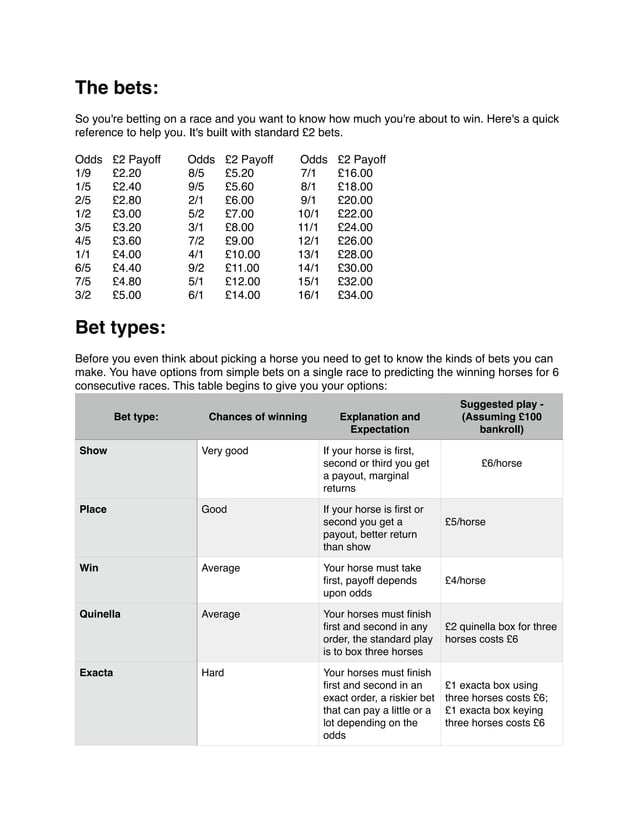
Fractional odds are predominantly used in the United Kingdom and represent the profit relative to the stake. For instance, odds of 5/1 imply that for every 1 unit you stake, you will make a profit of 5 units if the horse wins.
2. Decimal Odds
Common in Europe and Australia, decimal odds show the total payout rather than just the profit. For example, odds of 6.0 mean that for a 1 unit bet, you will receive 6 units back if the horse wins, including your original stake.
3. Moneyline Odds
Often used in the United States, moneyline odds can be positive or negative. Positive odds, such as +500, indicate the profit on a $100 stake, while negative odds, like -200, indicate how much you need to stake to win $100.
Importance of Odds Comparison
Comparing horse racing odds across different bookmakers is essential for maximizing potential profits. Not all bookmakers provide the same odds for a race; discrepancies can arise due to different risk assessments, market analytics, and promotional offers. By comparing odds, bettors can ensure they place their wagers at the highest possible odds available, therefore increasing their potential return.
How to Compare Horse Racing Odds
1. Use Odds Comparison Websites
Various online platforms specialize in comparing odds across multiple bookmakers. These sites aggregate data, allowing bettors to see at a glance which bookmaker offers the best odds for a particular horse in a race. Utilizing these resources can save time and ensure you’re getting the best value for your bets.
2. Monitor Pre-Race Market Movements
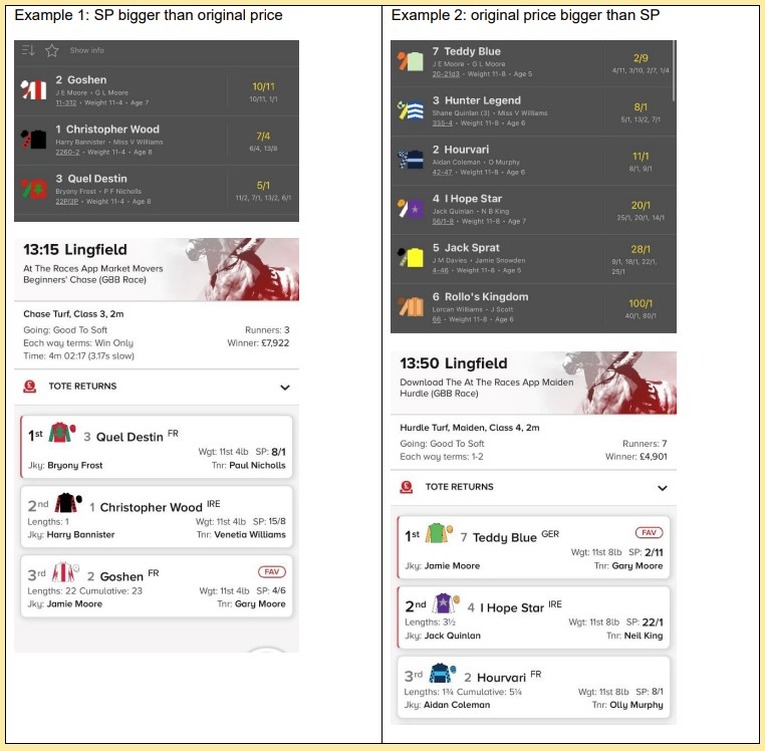
Keeping an eye on how odds fluctuate leading up to a race can provide valuable insights. Odds might shorten for a horse receiving significant backing, indicating that insiders expect it to perform well. Conversely, if odds lengthen, it might suggest a lack of confidence in that horse’s capabilities.
3. Take Advantage of Promotional Offers
Many bookmakers offer promotions such as enhanced odds or free bets for new customers. These offers can be a significant advantage when comparing odds. Even if the normal odds for a horse are not the best, a promotional offer can turn a mediocre bet into a lucrative opportunity.
Factors Affecting Horse Racing Odds
Several key factors influence a horse’s odds in a race:
- Form: Horses that have performed well in recent races are typically favored with shorter odds.
- Jockey and Trainer: The reputation and past performance of the jockey and trainer can also sway odds.
- Track Conditions: How the racing surface (dry, soft, muddy) affects a horse’s performance is critical and reflected in the odds.
- Competition: The caliber of other horses in the race can impact a horse’s chances and consequently its odds.
Setting a Betting Strategy
Having a systematic approach to betting can improve your odds of success. Here are some strategies to consider:
1. Value Betting
This involves placing bets when you believe the odds offered by a bookmaker underestimate a horse’s actual chances of winning. By identifying value bets, you can make a long-term profit even if you have a lower win rate.
2. Specializing in Specific Races or Tracks

Building expertise in particular races or tracks helps you recognize patterns and factors that may not be obvious to casual bettors. This specialization can provide an edge when comparing odds and assessing value.
3. Bankroll Management
Effective bankroll management is vital for long-term betting success. This involves determining how much you are willing to stake, setting aside money for betting, and avoiding chasing losses.
Conclusion
Understanding and effectively comparing horse racing odds is integral to successful betting. Armed with knowledge about the various types of odds and the importance of comparing them, bettors can enhance their chances of making informed decisions. By utilizing odds comparison tools and adopting sound betting strategies, you can improve your profitability in the exciting world of horse racing. Always remember, responsible betting is the key to enjoying the sport while minimizing risks.